What does it take to make Europe’s energy system cleaner and smarter? New technologies are part of the answer. But they can only make a real difference if people understand them, trust them and are willing to use them.
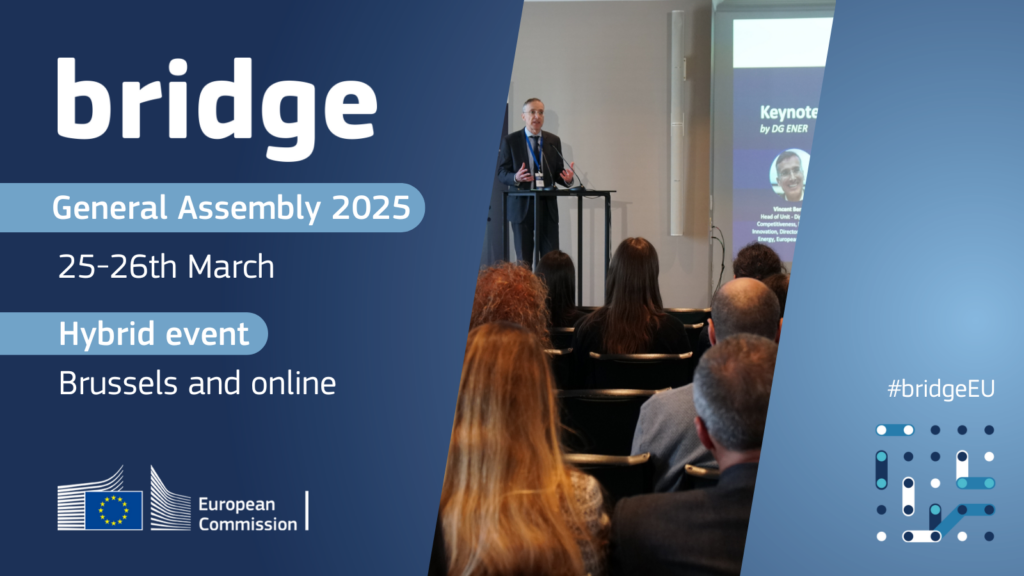
This is one of the ideas behind BRIDGE, a European Commission initiative that brings together EU-funded projects working on the future of Europe’s energy system. Instead of each project working and learning on its own, BRIDGE gives them a space to share experiences, discuss common challenges and learn from one another.
This work is organised around four areas: Consumer and Citizen Engagement, Data Management, Business Models, and Regulation.
Why citizen engagement matters
The Consumer and Citizen Engagement Working Group (CCE WG) focuses on a simple question: where do people fit into the energy transition?
The role of citizens is changing. A household with solar panels, for example, is no longer only an energy consumer – it can also produce electricity, store it or share it with others. New digital tools can make this easier, but introducing technology alone is not enough. People also need clear information, accessible solutions and confidence that these new systems work in their interest.
The CCE WG brings projects together to explore these challenges through three subgroups: Strategies of Engagement, Smart Tools, and Indicators of Engagement. Their work looks at how to involve citizens, which tools can help them participate, and how we can understand whether that engagement is actually working.
The main findings from the past year are collected in the BRIDGE Consumer and Citizen Engagement Working Group Annual Activity Report 2025–2026, published in July 2026. Its central message is clear: the transition to smarter energy systems needs to consider people and technology together.
INTELLIGENT in the spotlight
INTELLIGENT is one of five projects presented in more detail in the report’s Smart Tools section.
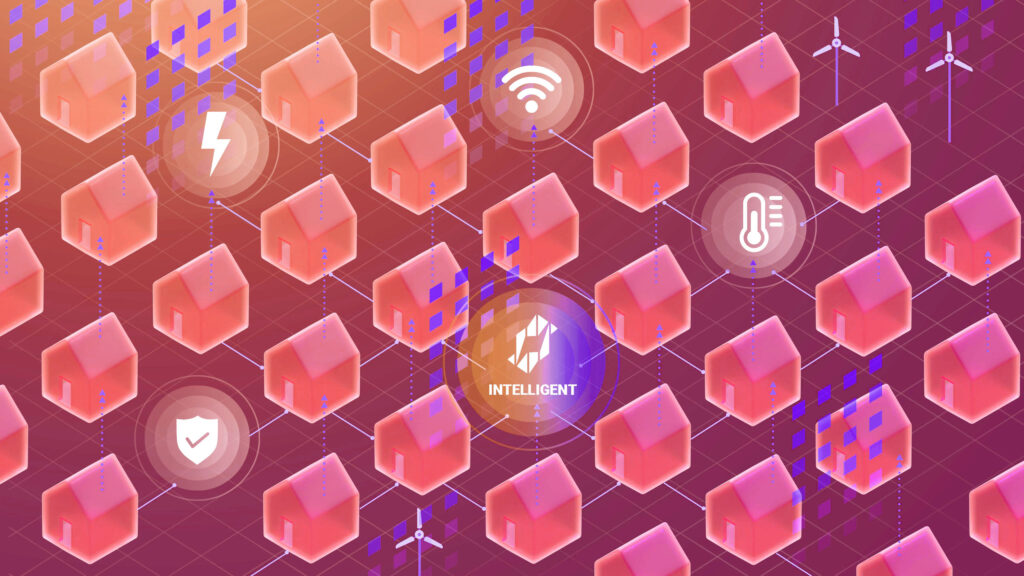
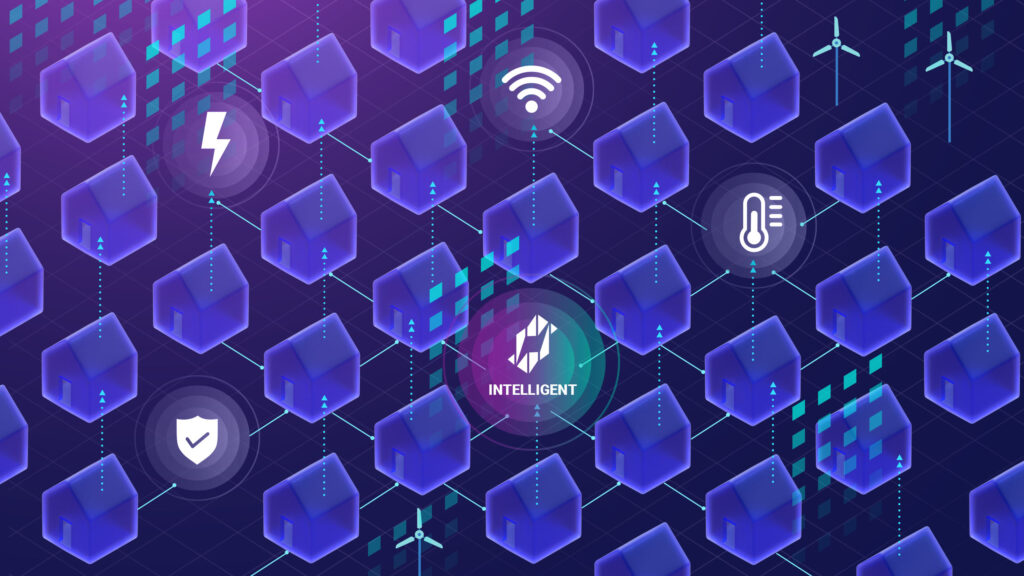
The reason it is relevant to this discussion becomes clearer with a simple example. Imagine that your home produces more solar electricity than you need at a particular moment. Instead of simply sending that surplus back to the wider grid, you could potentially trade it within your local energy community.
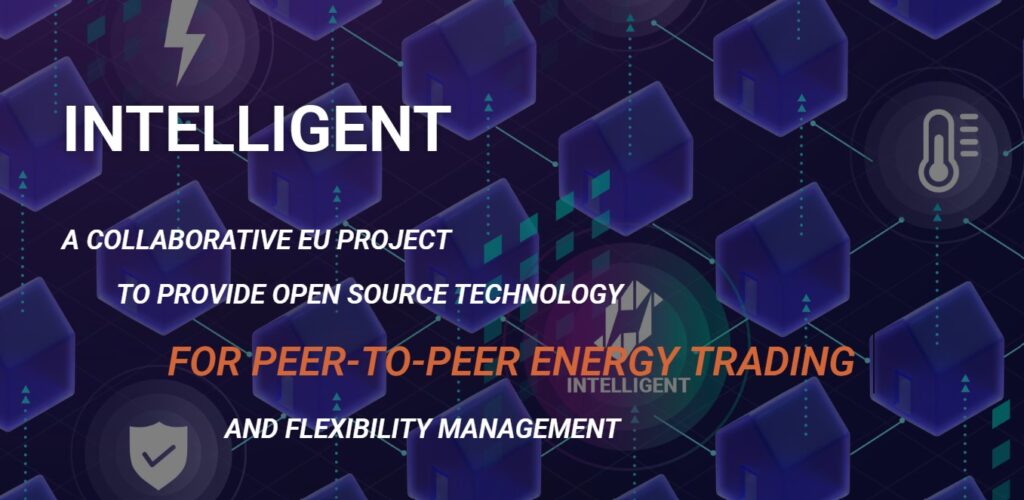
INTELLIGENT is exploring the technologies needed to make this kind of local energy exchange possible. Digital tools and AI can help predict how much energy will be available or needed and support decisions about when it makes sense to use, store or trade it.
But this raises questions that are not purely technical. Would people trust an AI-supported system to help make these decisions? Do they understand what it is doing? Is their data protected? And can they remain in control?
These are some of the reasons INTELLIGENT was discussed within the BRIDGE work on smart tools and trustworthy AI. The project contributed its experience to a BRIDGE workshop on AI and the new EU rules governing its use, and this experience is now captured in the Annual Report.
Learning from each other
This exchange works both ways.
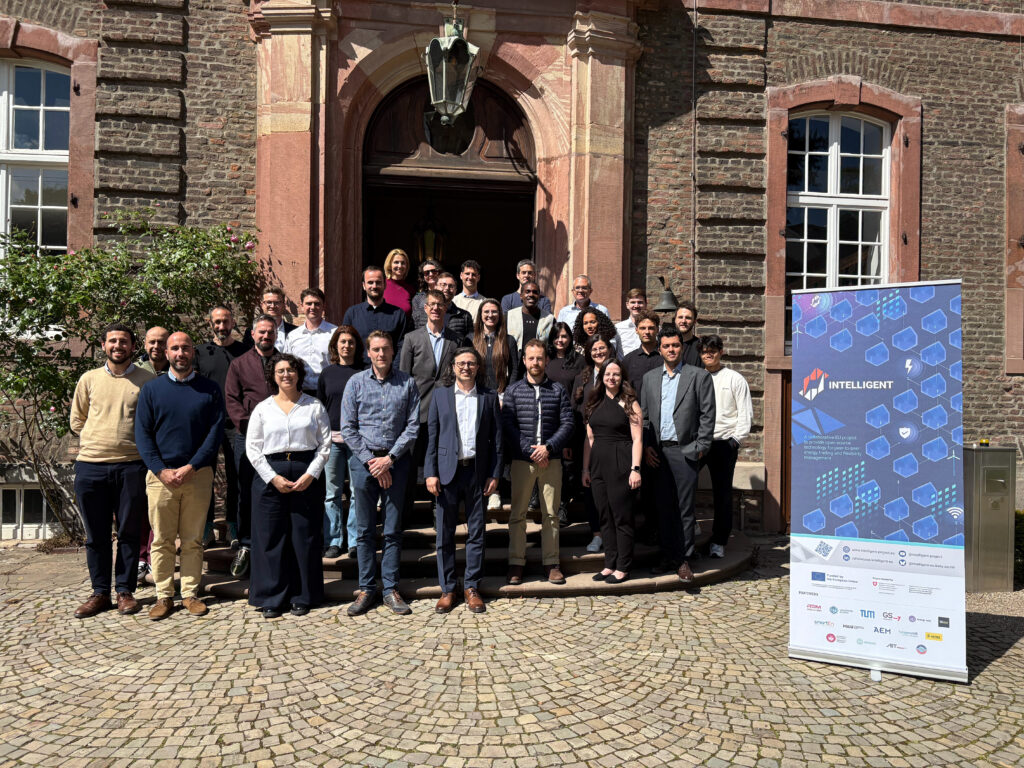
INTELLIGENT is testing its approach in four energy communities in Portugal, Ireland and Switzerland. Through BRIDGE, lessons from these pilots can be shared with other European projects – and INTELLIGENT can learn from their experiences in return.
The CCE group is also developing a Knowledge Hub, where projects can share information about the digital tools they are developing. The idea is simple: useful solutions and lessons should not disappear when an individual project ends, but should be easier for others to find, understand and build upon.
For INTELLIGENT, being part of BRIDGE therefore means being part of a much wider conversation about how new energy solutions can move from research projects into the real world.
Technology also needs the right rules
There is another piece of the puzzle: regulation.
INTELLIGENT also participates in the BRIDGE Regulation Working Group, where projects are examining whether current rules make it possible for citizens and energy communities to participate in new forms of energy sharing and local trading.
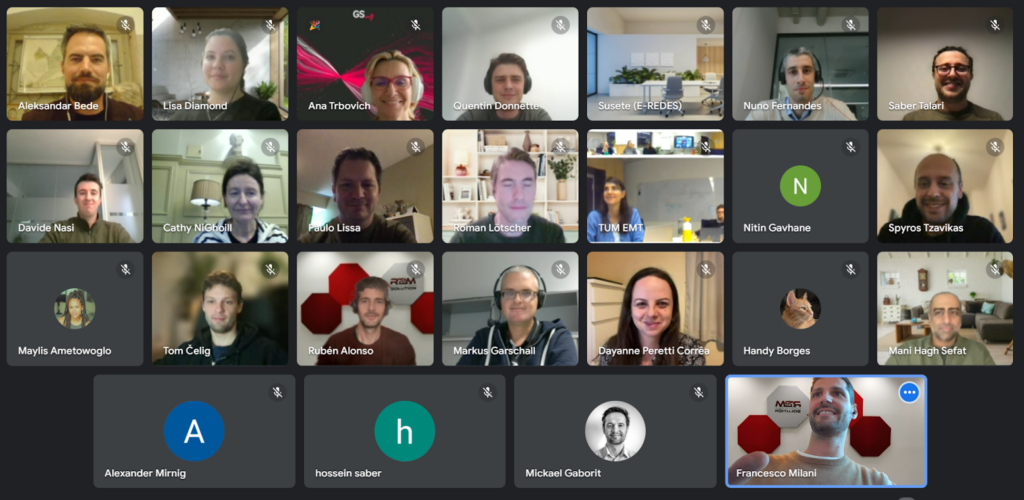
One of these activities on peer-to-peer energy trading and energy sharing is co-led by INTELLIGENT consortium partner Quentin Donnette from smartEn. INTELLIGENT also contributed to a joint policy brief in which several EU-funded projects proposed recommendations for making it easier for citizens to participate in energy communities and energy sharing.
This brings the different pieces of the BRIDGE collaboration together. New technology can create opportunities, but people need to be willing and able to use it – and the rules need to allow it.
Technology, people and regulation need to move forward together.
For INTELLIGENT, BRIDGE provides a place to contribute to that shared effort, learn from other projects and help turn lessons from individual pilots into knowledge that can be useful across Europe.
Read full CCE WG report here.
Read full Regulation WG report here.